
Same Layout. New Look. How We Make Event Design Work Harder for Your Budget.
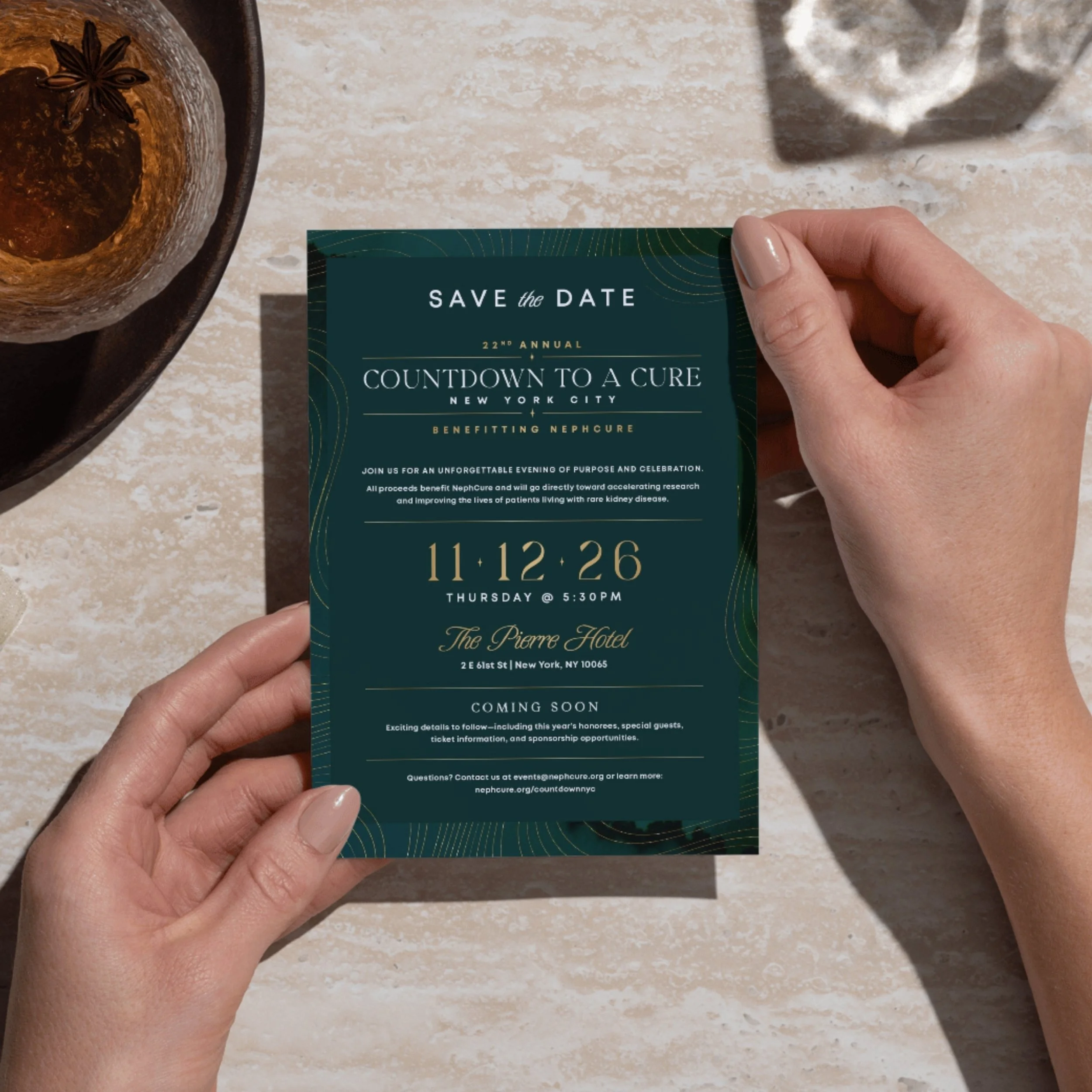
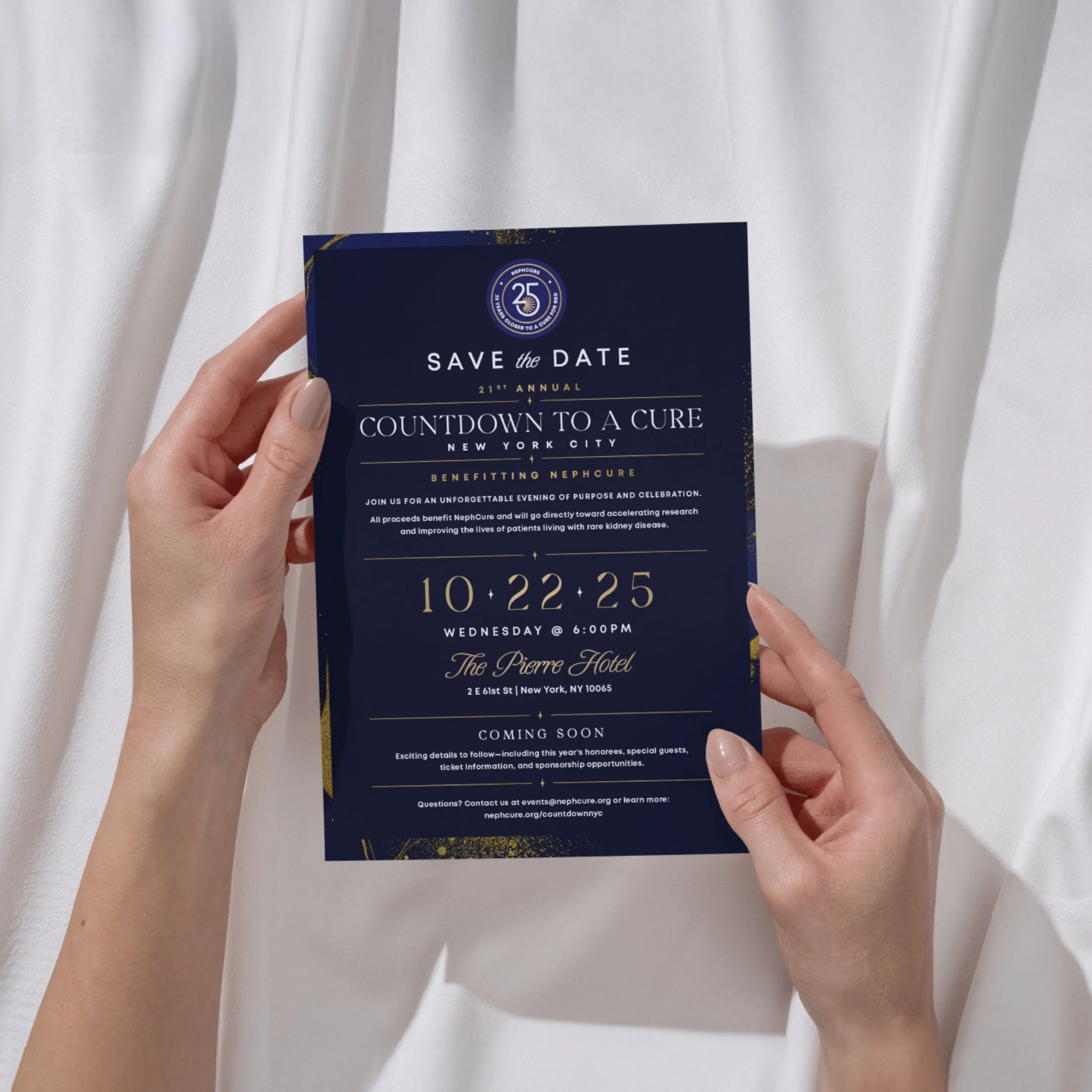
One of the questions we get a lot from nonprofits and smaller organizations is some version of this: How do we make our event feel designed without having to start from scratch every single year?
It is a real tension. Events need to feel fresh. Sponsors want visibility. Attendees notice when things look tired. But hiring a design team to rebuild everything from the ground up each cycle is not always feasible, especially when every dollar must justify itself.
We built a solution around that problem, and it has become one of the things we are most proud of.
The Layout Is the Foundation. The Design Is What Changes.
The idea is straightforward. We design a visual system that is built to be refreshed, not replaced. The layout—where things live on a program, a sign, a table card, a social graphic—stays consistent from year to year. What changes is everything you notice: the color palette, the fonts, the graphic elements, the special touches. Same bones. Entirely new look.
To be clear, we are still building a new design system each cycle. The creative work is real. What we are not doing is rebuilding the structural decisions that nobody consciously registers, but that take significant time and budget to get right. Things like how information is organized, where the eye travels, how sponsor tiers are handled, and how the pieces all fit together. Those decisions are made once. The design that lives inside them is what gets reimagined.
For an annual gala, a fundraiser, or a recurring conference, this means guests experience something that feels current and considered without you having to absorb the full cost of starting over. The heavy lifting on structure happens once. After that, you are refreshing, not rebuilding.
Built in Canva, So Your Team Can Actually Use It
Every system we build for clients gets delivered in Canva. That is intentional. Not because Canva is the only tool, but because it is the one your team will actually open.
If a sponsor drops out the week before the event, you should be able to swap a logo without calling us. If the keynote speaker changes, you should be able to update the program without a design revision cycle. Those are not creative decisions. They are logistical ones, and your team should own them.
Building in Canva also means the templates are shareable, accessible across your team, and do not require software that lives on one person's computer. Anyone with access to the file can make straightforward updates the same day they need them.
The Style Guide Is What Keeps It Cohesive
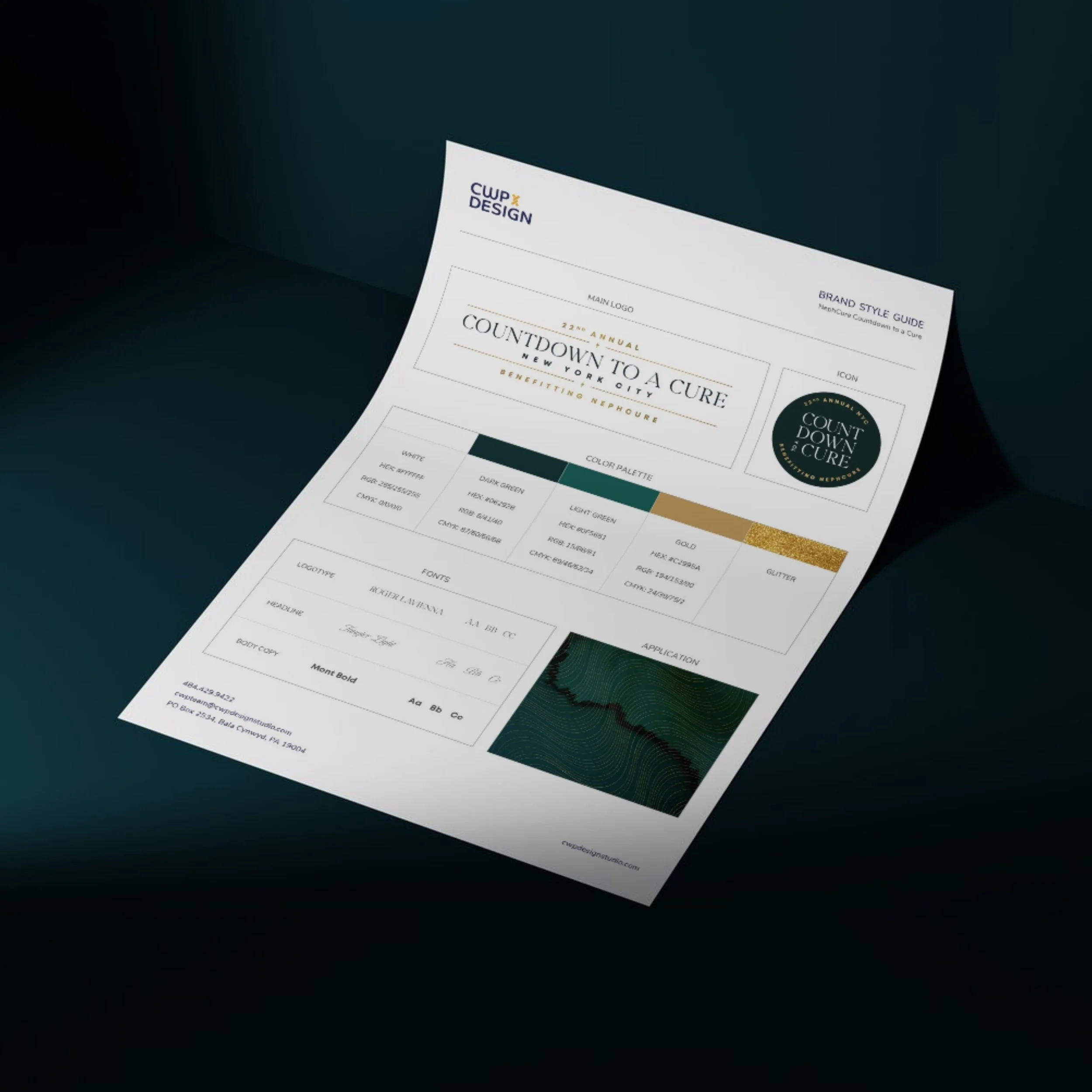
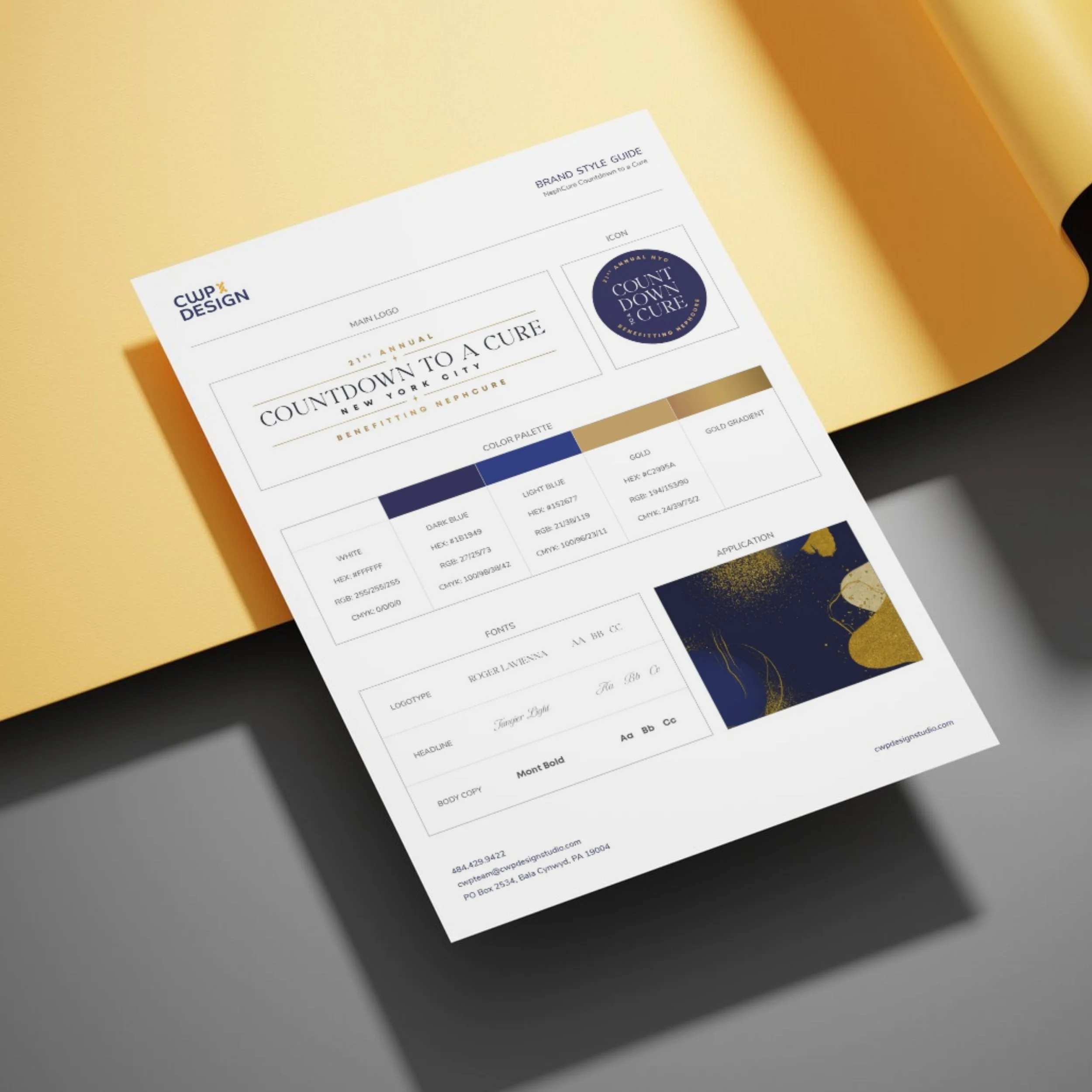
When we hand off a design system, it comes with a style guide. It’s not a complicated document, but a clear, usable one that covers the colors and their exact codes, the fonts and how they are used, how the logo behaves across different backgrounds, and what the overall visual identity looks and feels like.
The style guide is what allows your team to make new things that still look like they belong. Without it, well-intentioned updates start to drift. Someone uses a slightly different blue. A vendor prints the logo on a dark background without checking. The event starts to feel inconsistent in ways that are hard to pinpoint but easy to feel.
A good style guide does not restrict creativity. It protects the investment you already made.
What We Handle vs. What You Handle
We do the heavy lifting so you do not have to. We design the system, set the visual direction, build the templates, and write the rules. What we hand you is something ready to use, not something that requires a design degree to maintain.
The goal is never to make clients dependent on us for things they should be able to do themselves. Updating a date, swapping a headshot, adding a new sponsor tier—those should be fast, easy, and fully in your hands. The strategic and creative decisions are where we come in, and where the investment makes the most sense.
Especially for Nonprofits and Annual Events
Nonprofits and recurring annual events are exactly who this was built for, where budget scrutiny is real, and design often gets cut first. The reality is that a well-designed event does meaningful work. It signals credibility to sponsors. It raises the perceived value of what guests are walking into. It builds trust with your audience over time.
The layout template approach makes that level of design accessible without requiring a full creative engagement every cycle. You invest in the structure once. Then you protect it, refresh it, and let the design do what design is supposed to do.
That is smart design. And it is the kind that actually serves the mission.
SHARE THIS ARTICLE
